Trustworthy HVAC Services for Ideal Home Climate Control
Trustworthy HVAC services are important for keeping perfect home climate control. Homeowners frequently experience challenges including strange noises, variable temperatures, and rising energy costs. Regular maintenance can substantially improve system efficiency and indoor air quality. Finding the right HVAC professional is important for long-term benefits. Identifying the symptoms that suggest service is needed can further boost residential comfort. What key indicators should homeowners be aware of?
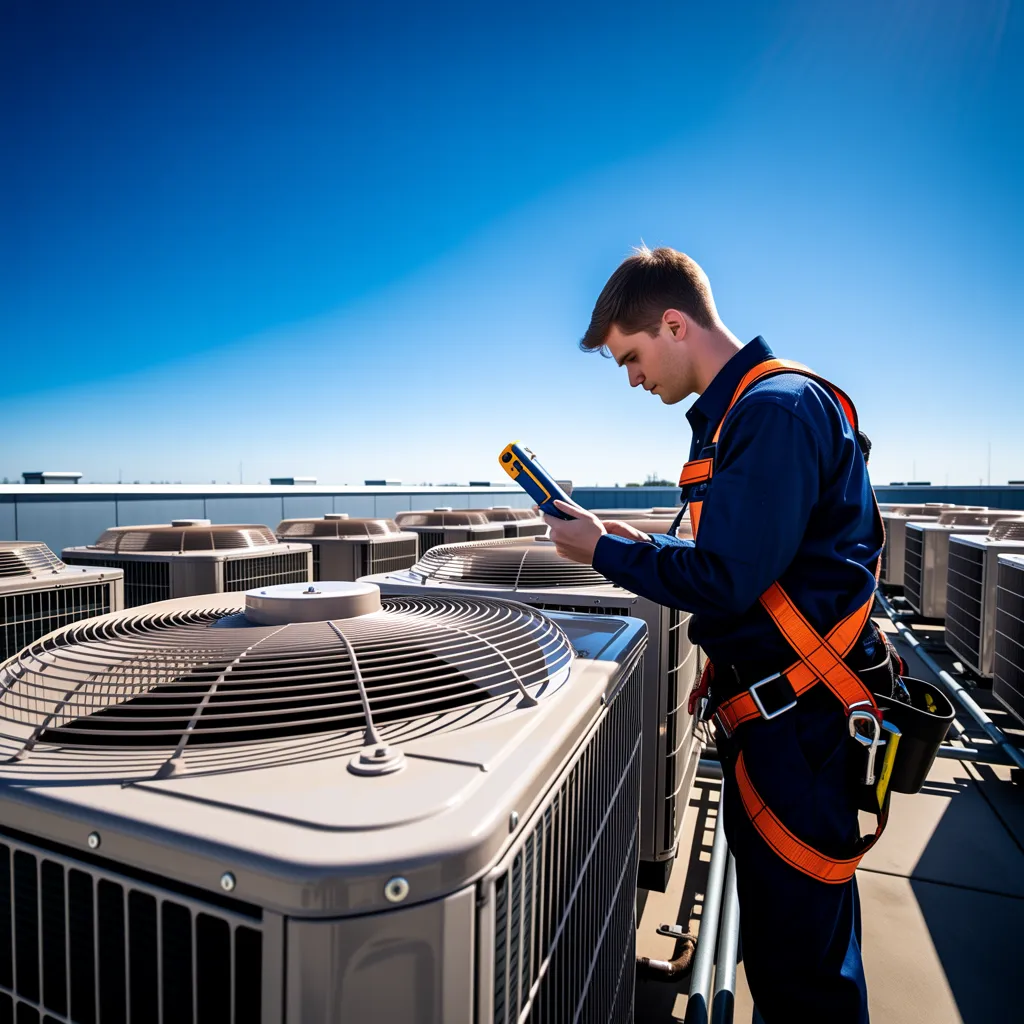
Warning Signs Your HVAC System Requires Attention?
How can homeowners tell when their HVAC system needs maintenance? Several signs can assist in identifying potential issues. Strange sounds, such as grinding or whistling, often indicate mechanical problems. Additionally, varying temperatures across different rooms may suggest ductwork issues or a malfunctioning thermostat. Homeowners should also be aware of a increase in energy bills, which can suggest that the system is operating more intensively than necessary to maintain comfort.
A critical marker is the presence of strange odors, which might indicate electrical issues or fungal formation within the system. Continuous switching on and off, known as short-cycling, can produce increased wear and tear. Finally, if the system is blowing insufficient air or no air at all, it may require swift intervention. Recognizing these warnings early can avert more extensive harm and high-cost repairs.
Acknowledging Why Consistent HVAC Service Matters
Regular HVAC maintenance is vital for guaranteeing optimal operation and prolonging the lifespan of the system. Routine inspections and maintenance help identify possible issues before they develop into expensive repairs. During servicing, technicians typically clean components, inspect refrigerant levels, and confirm that all parts operate efficiently. This preventative approach not just improves system dependability but also boosts energy efficiency, leading to reduced utility bills.
Additionally, routine maintenance can markedly enhance interior air quality by confirming filters are clean and ventilation systems are free from blockages. Skipping maintenance can result in lower performance and greater deterioration on components, ultimately shortening the system's operating life. Also, several manufacturers insist on routine maintenance to maintain warranty coverage. By adhering to a steady HVAC maintenance schedule, homeowners can experience a comfortable living environment while minimizing sudden repair costs and expenses. All in all, routine maintenance is a essential investment in home climate control.
Important Considerations When Picking An HVAC Service Provider
Choosing documentation the right HVAC service provider is fundamental to preserving an optimal home climate control system. Several key factors should be evaluated to ensure peak service. First, the provider's credentials and coverage status is essential; this safeguards homeowners from potential liabilities. Second, evaluating knowledge and skill is imperative; seasoned technicians are more likely to diagnose and resolve issues effectively.
Additionally, customer reviews and testimonials can provide insight into the provider's dependability and service excellence. Cost clarity is a vital element; a trustworthy company should offer clear estimates without undisclosed charges. Finally, responsiveness and customer support play a critical function in routine maintenance and urgent situations. By methodically reviewing these factors, homeowners can select a trustworthy HVAC service provider, ultimately contributing to a pleasant and economical living environment.
Different HVAC Systems You Should Understand
Recognizing the various types of HVAC systems is necessary for reliable home climate control. Central air conditioning systems, ductless mini-split systems, and heat pump systems each offer distinct advantages and applications. Familiarity with these options enables homeowners to make informed decisions tailored to their specific needs.
Central Cooling Systems
While numerous dwellers seek out effective temperature regulation systems, central air conditioning systems emerge as a popular choice due to their efficiency and capacity to cool large spaces uniformly. These systems operate by pushing chilled air through a network of ducts, delivering consistent temperatures across multiple rooms. Central air conditioning units typically consist of an outdoor compressor and an indoor evaporator coil, which function jointly to strip away warmth from the air. This technique not only enhances comfort but also aids improved indoor air quality by filtering dust and allergens. Additionally, central systems can be paired with smart thermostats, permitting homeowners to regulate energy usage more effectively, thus decreasing utility costs while sustaining a cozy atmosphere.
Ductless Mini-Split Climate Systems
Ductless mini-split systems deliver a flexible and efficient option for homeowners pursuing personalized climate control. These systems comprise an outdoor compressor unit and one or more indoor air-handling units, facilitating exact temperature management in individual rooms. This flexibility permits homeowners to adjust heating and cooling according to their specific needs, enhancing comfort while possibly reducing energy costs. In addition, ductless systems are easier to install than traditional systems, as they require minimal ductwork, making them ideal for retrofitting older homes. Their streamlined design also enables installation in spaces where conventional systems may not fit. As a result, ductless mini-split systems are increasingly popular for those wanting to enhance home climate control efficiently.
Heat Pump Equipment
Heat pump systems represent another innovative option in contemporary heating and cooling technology, providing both heating and cooling solutions through a single unit. These systems function by moving heat rather than generating it, making them efficient with energy and environmentally friendly. There are two main types: air-source and ground-source (or geothermal) heat pumps. Air-source units pull heat from the outside air, while ground-source systems draw heat from the ground. Both types can markedly reduce energy bills and decrease carbon footprints. Heat pumps are particularly effective in moderate climates, where they can sustain comfortable indoor temperatures year-round. However, their efficiency can decrease in extreme temperatures, necessitating supplemental heating. Overall, heat pump systems are a versatile choice for homeowners pursuing sustainable climate control solutions.
Ways HVAC offerings May Assist You Save Expenses On Electricity Bills
Effective HVAC services are crucial in reducing energy bills for homeowners. Regular maintenance, intelligent thermostat setup, and high-efficiency improvements can significantly boost system performance. By fine-tuning these elements, homeowners can achieve considerable reductions on their energy costs.
Effective System Care
Maintaining an HVAC system is necessary for enhancing energy performance and lowering monthly utility costs. Regular maintenance and inspections promise that the system functions at peak performance, reducing energy consumption. Routine maintenance tasks, such as filter maintenance and replacement, can significantly enhance airflow and ease strain on the system, leading to lower utility bills. Additionally, fixing small problems before they escalate into expensive issues can save homeowners substantial savings in the long run. HVAC professionals can identify performance gaps and propose recommendations, assuring that the system runs smoothly throughout the year. By prioritizing consistent maintenance, homeowners can achieve a comfortable indoor climate while also enjoying impressive savings on their energy expenses.
Deploying Your Smart Thermostat
An smart thermostat can greatly enhance power efficiency for property owners while offering greater command over home temperature. By automatically adjusting heating and cooling settings based on usage patterns and personal choices, these systems optimize energy consumption. HVAC services play a vital role in the installation process, ensuring that the thermostat is suitable with current infrastructure and set up for optimal performance. Professional installers can also inform homeowners on features like off-site control and consumption analytics, enabling knowledgeable choices about temperature management. Additionally, many smart thermostats integrate with smart home platforms, further streamlining power oversight. Ultimately, investing in smart thermostat installation through dependable HVAC services can result in substantial decreases in utility costs while enhancing overall comfort in the home.
Green Energy Modifications
Energy-efficient renovations are fundamental to optimizing energy savings on energy bills while increasing home comfort. HVAC services can provide support to homeowners in identifying and introducing these upgrades, which include high-efficiency heating units, energy-saving air conditioners, and reinforced insulation. By replacing outdated systems with cutting-edge, efficient models, households can cut down on energy consumption considerably. Additionally, regular care promises superior performance, forestalling costly repairs and inefficient functioning. Weatherizing ductwork and stopping leaks further boost energy efficiency, allowing for advanced climate regulation throughout the home. Putting money into these upgrades not only minimizes monthly utility costs but also supports a more sustainable environment. Overall, energy-efficient improvements are a sound financial investment for homeowners wanting to maximize both comfort and savings.
HVAC Services Enhance Air Quality
Boosting air quality inside is a main advantage of expert HVAC service providers. Proper maintenance and servicing of HVAC systems guarantee that filters are clean and functioning effectively, which helps trap dust, allergens, and other pollutants. Periodic inspections can identify issues such as mold growth or duct leaks, both of which can greatly diminish air quality.
Furthermore, HVAC experts can recommend and install air purification systems, which further enhance the residential space by capturing tiny contaminants. They can also evaluate moisture content, as excessive moisture can result in mold and mildew, compromising air quality.
What You Should Understand During Your HVAC Service Call
Keeping ideal air quality indoors frequently leads homeowners to book HVAC appointments. During these appointments, technicians usually start with a comprehensive examination of the system, evaluating components such as filters, ducts, and thermostats. They may ask questions about any particular issues or unusual noises, enabling them to tailor their service.
Next, professionals often clean or replace filters to enhance efficiency and air quality. They may also inspect refrigerant levels and check for leaks, ensuring peak performance. Additionally, they will test the system's functionality, verifying that temperature control features operate smoothly.
Homeowners can receive a thorough report outlining conclusions and recommendations. This may include recommendations for future upkeep or possible improvements. By grasping these processes, homeowners can more fully understand the value of routine HVAC service calls in creating a safe and pleasant living space.
Frequently Asked Questions
What is the Typical Timeframe for HVAC Implementation?
An HVAC installation typically takes between one to three days, depending on the system's complexity and the size of the home. Factors such as existing infrastructure and necessary changes can also influence the duration.
What Warranties Are Accessible for HVAC Systems?
HVAC systems generally provide multiple warranties, including limited parts warranties, prolonged service warranties, and extensive system warranties, which may change by manufacturer and installation service. Customers should review options attentively to secure adequate coverage.
Can I install an HVAC System myself?
Installing an HVAC system on your own is possible but frequently impractical. Adequate training, equipment, and local codes must be considered. Skilled installation is usually suggested to assure safety, efficiency, and code compliance.
What Is the Mean Lifespan of an HVAC Unit?
The average lifespan of an HVAC unit typically ranges from 15 to 25 years. Factors such as upkeep, usage, and climate factors can significantly impact its lifespan, influencing overall performance and efficiency.
How Often Should I Change My HVAC Filters?
HVAC filters need typical replacement every one to three months, determined by usage and environmental factors. Consistent replacement guarantees peak system efficiency and improves indoor air quality, supporting a healthier living environment.